
Kotodama
LEAD PROGRAMMER & GAME DESIGNER
2024
A 2D point-and-click puzzle game about recovering a lost identity through warped memories and environmental storytelling.
I led a three-person programming team in Unity and built core interaction, inventory, puzzle, and scene systems in C#.
11-person team · Unity · C# · GitHub
Building the Foundation
I set up the Unity project and GitHub repository, organized the project structure, and broke the game design into the technical systems we needed to support.
That included mouse interaction, dialogue, keyboard input, scene transitions, inventory, puzzle states, UI, and audio integration. I used that breakdown to create the programming timeline and divide development across the team.
(pictured: GitHub and Unity project)


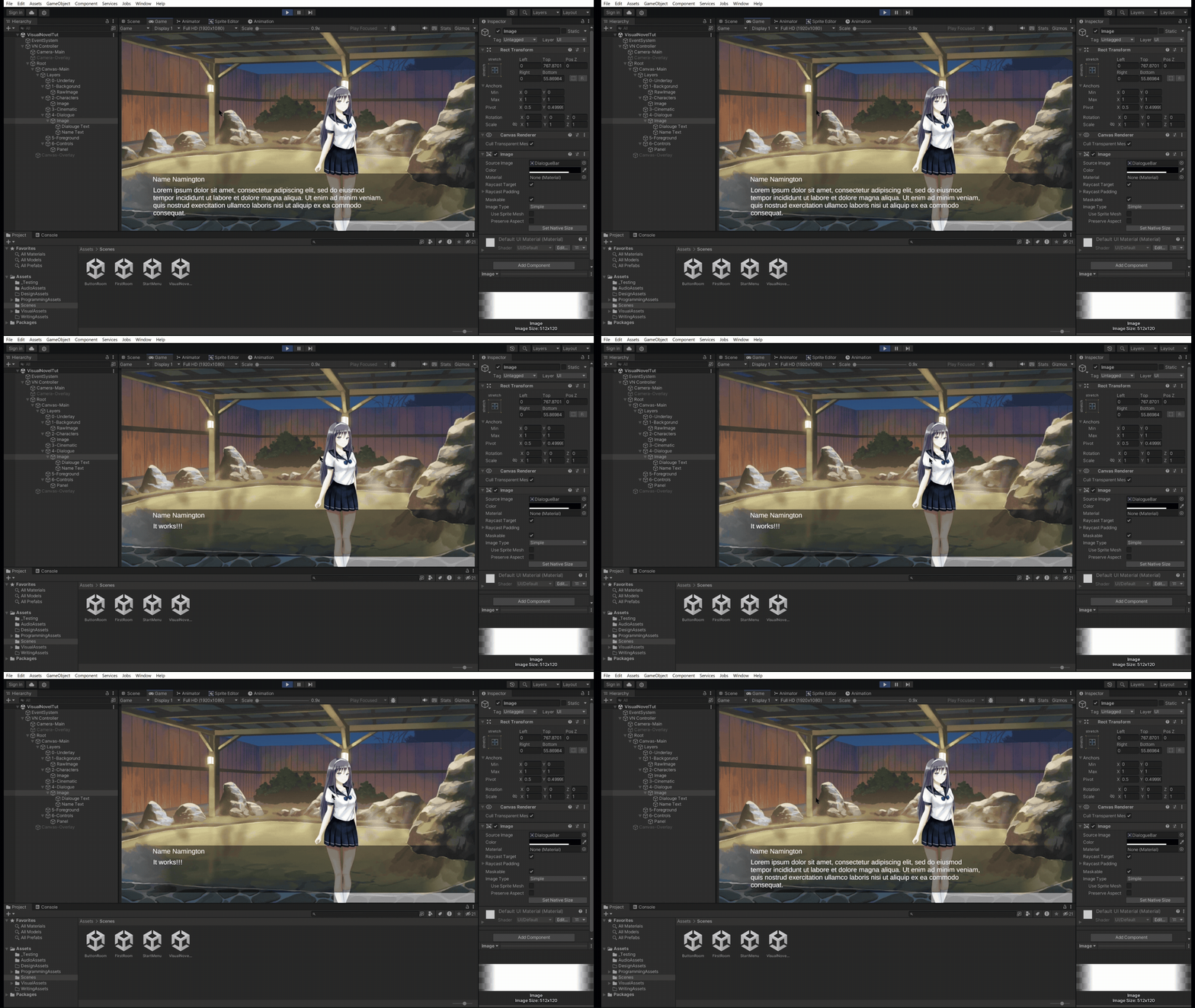

Point-and-Click Interaction
I prototyped mouse-driven scene interaction so that examining objects could change the dialogue and description text shown to the player.
This gave the narrative team a way to connect environmental details directly to player interaction.
(Pictured: visual novel prototype in Unity and code)
Inventory
I programmed the game's inventory system for collecting and using items during puzzle progression.
The design intentionally limited the player to one held item at a time, keeping interaction simple while still allowing items to become part of puzzle solutions.
(Pictured: Inventory code and its corresponding component on an interactable object.)


Lights Out Puzzle
I built a five-light state-based puzzle for the Ocean Room in C#.
Each light maintains its own on/off state, and player interactions change the combination of active lights. During development, I logged the state of each individual light (LightA through LightE) so I could trace incorrect state changes and debug the puzzle logic.
After the interaction system was working, I added a win-condition check that evaluates the current light configuration. Reaching the correct state completes the puzzle, updates the Ocean Room's progression, and allows the player to collect the letter tied to that room.
The puzzle went through several iterations as I separated the core interaction logic from the larger room progression and tested how puzzle completion should affect scene state.
(Pictured: Lights Out prototype before final assets were integrated, with related scripts and component setup.)
From Design to Implementation
As both Lead Programmer and Game Designer, I worked on puzzle concepts before they reached implementation.
I researched comparable games, helped define puzzle solutions, greyboxed scenes, and broke designs into technical requirements such as player input, valid moves, game state, win conditions, and progression changes.
For the Rush Hour puzzle, I created the gameplay layout before its programming implementation.
(Pictured: The design, then greybox, then implementation of the Rush Hour puzzle level.)


Leading Programming
I led a three-person programming team, ran regular programmer meetings, and coordinated technical work with design, art, audio, and production.
As the project developed, I helped determine which mechanics and levels were feasible within the team's available time and resources.
(Pictured: Kotodama development team. I am not pictured.)
